
A fitness calendar template schedules activity sessions, rest days, and review dates. It helps you follow a routine without treating every day as a compulsory hard workout.
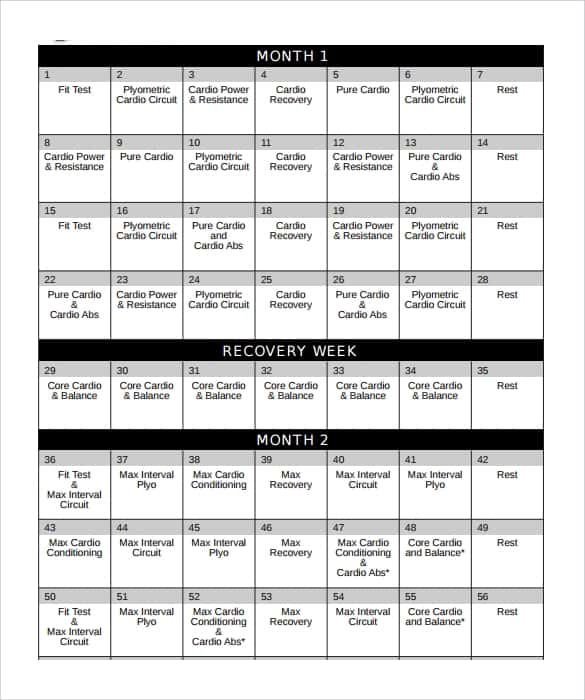
Choose a monthly view for consistency tracking or a weekly view for session details. Include a notes field for adjustments rather than judging progress only by completed boxes.
Template previews and downloads
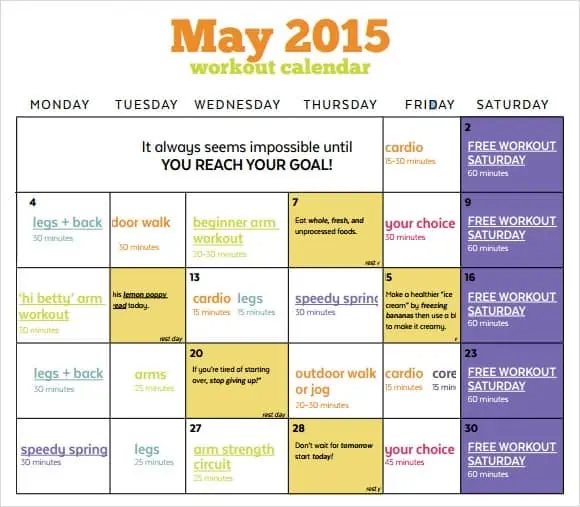
Fitness & Workout Schedule Sample
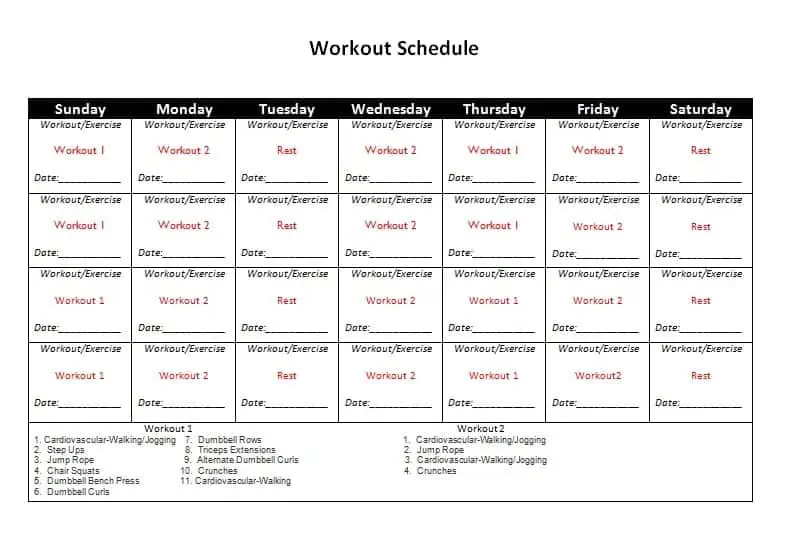

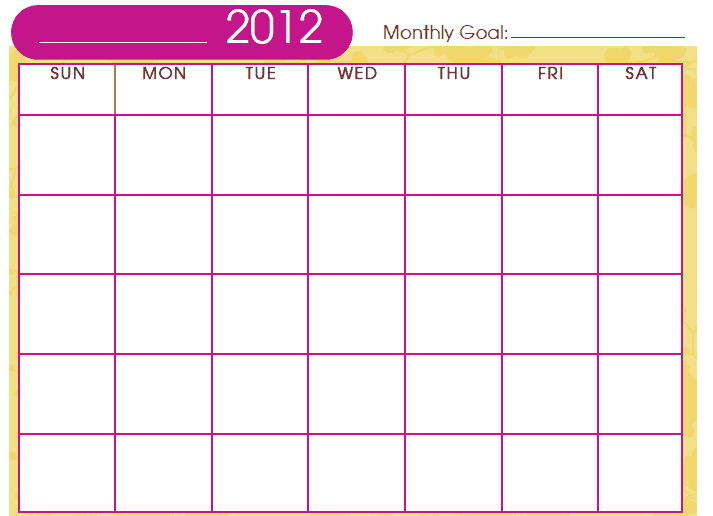
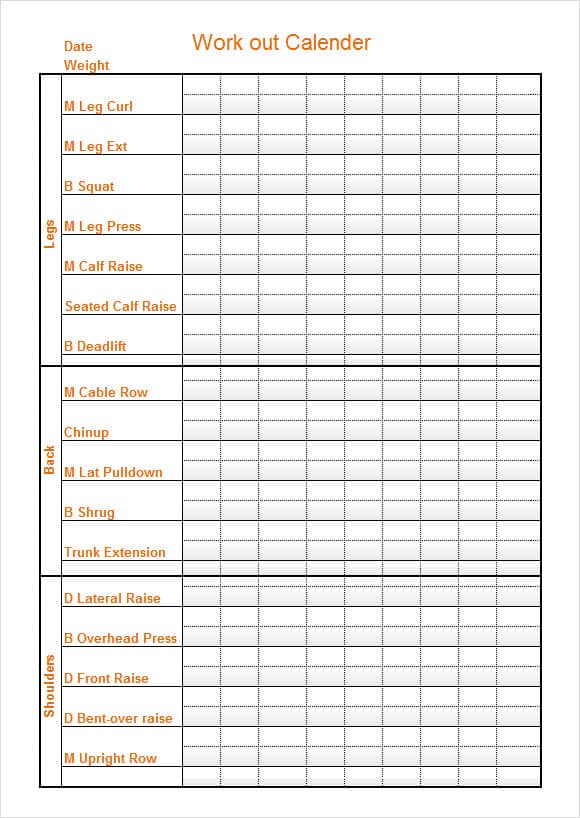
Blank Fitness Calendar
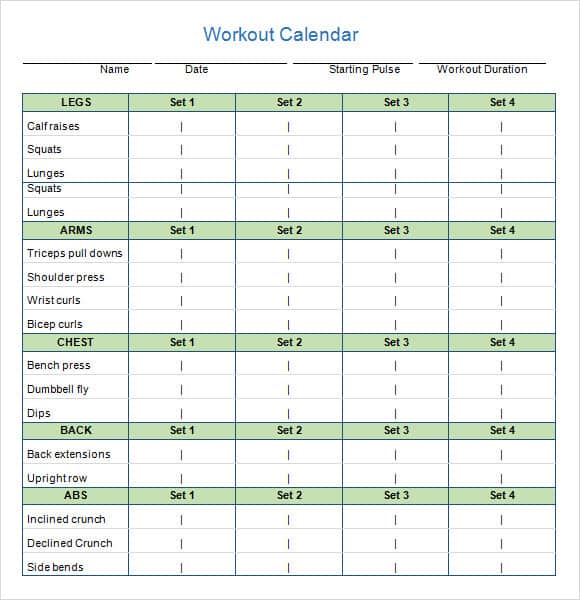
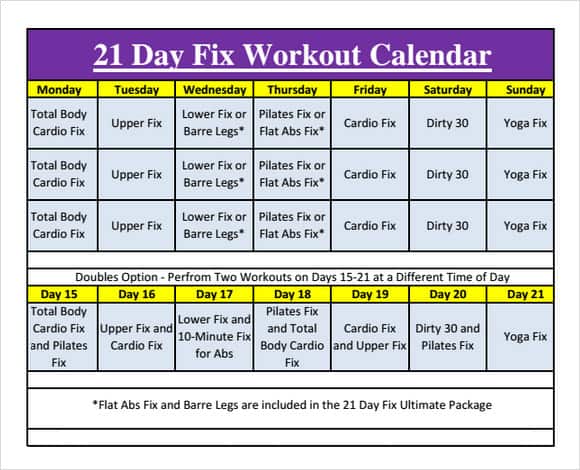
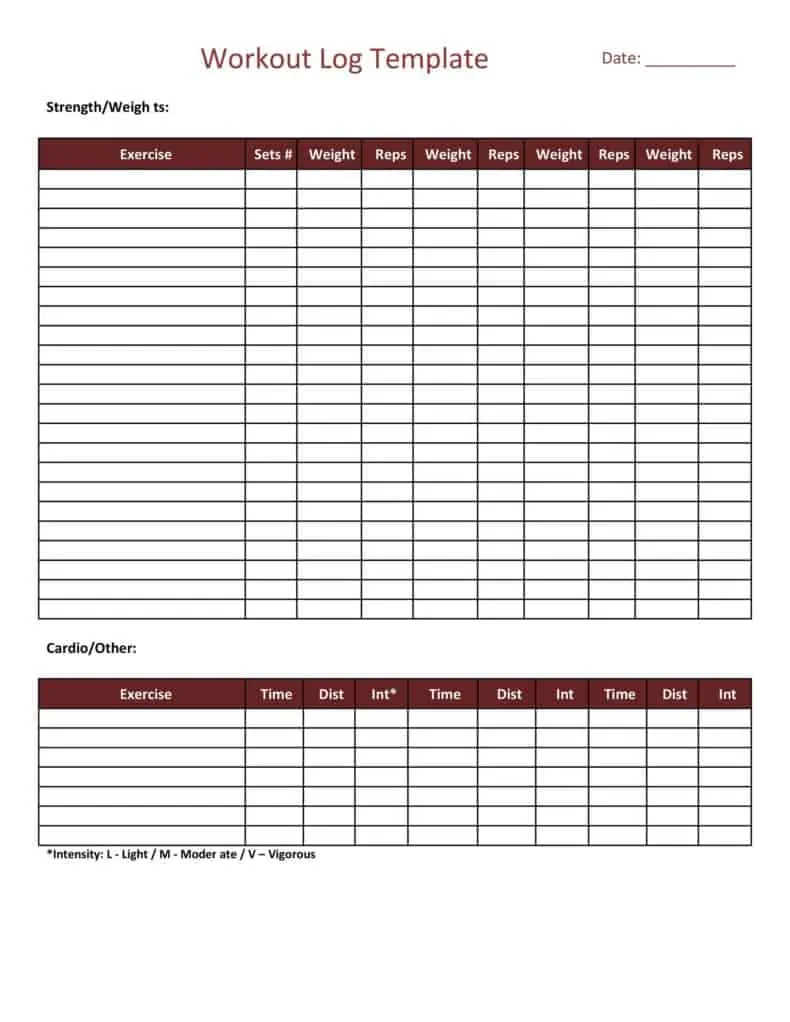
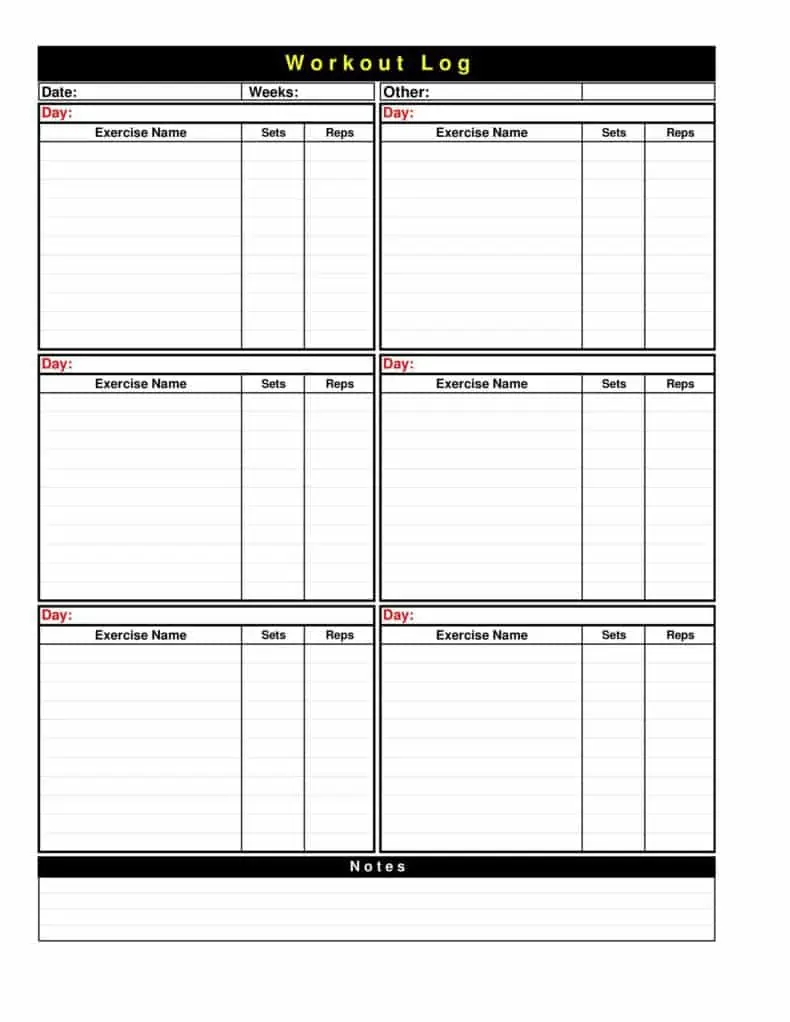
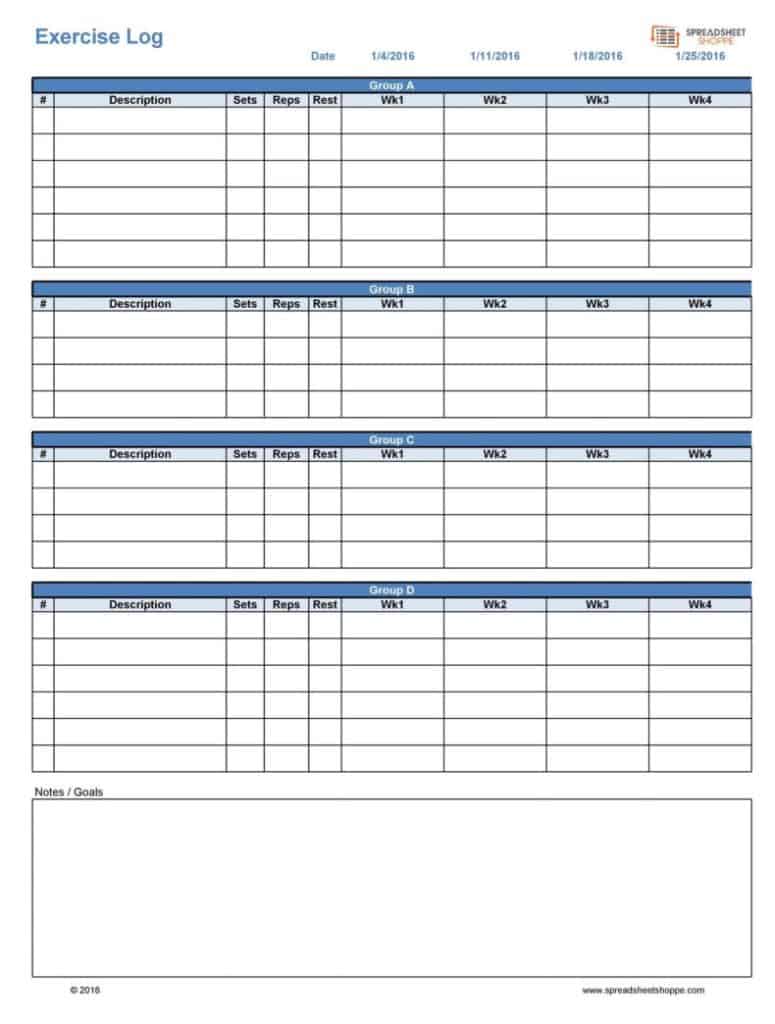
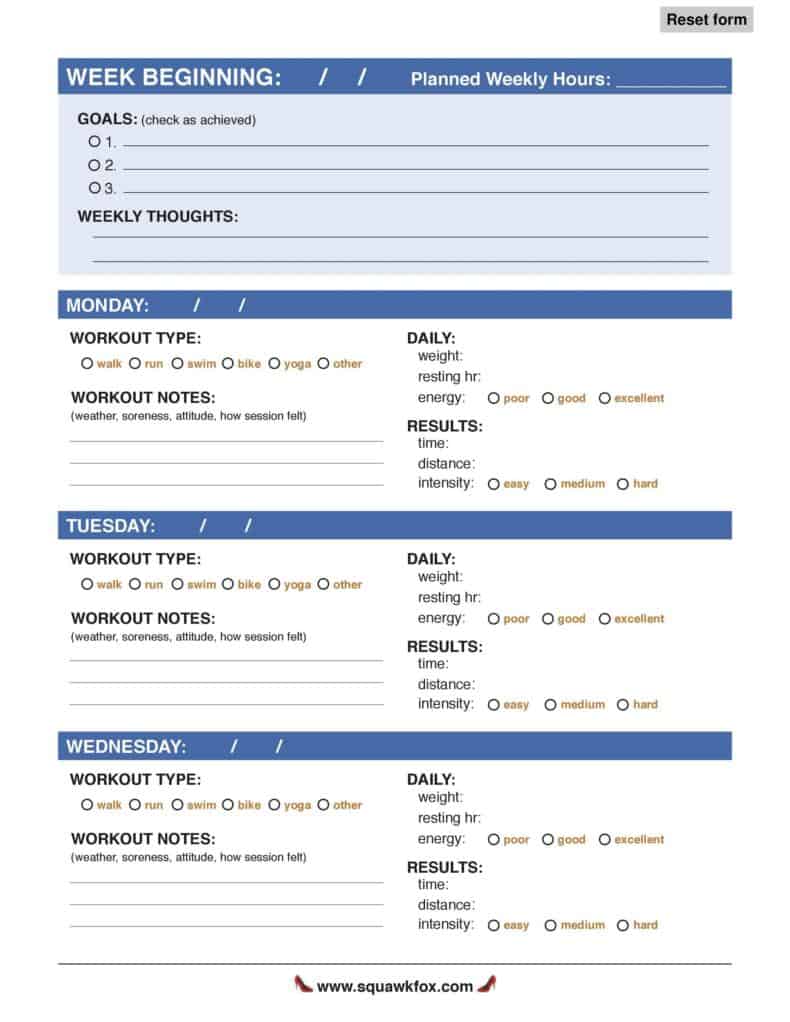
How to use the fitness calendar template
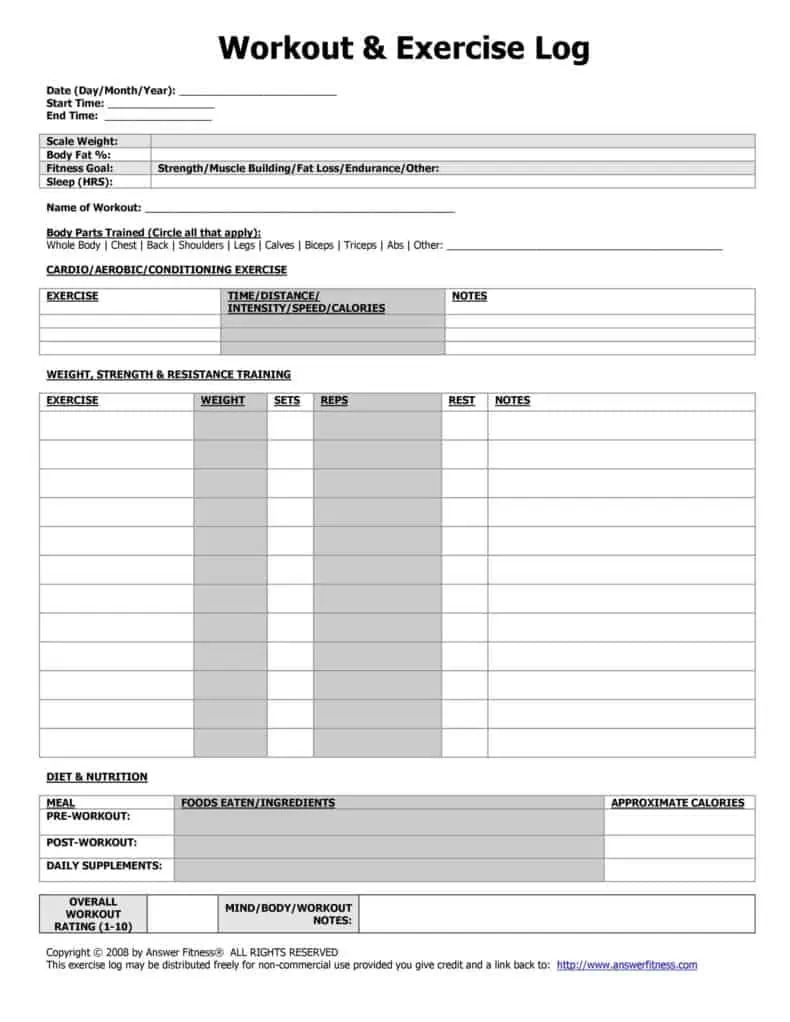
Step 1. Enter a realistic routine that suits your current ability. Record session details in workout templates.
Step 2. Record planned and completed sessions separately. Keep optional weight records separate using weight trackers.
Step 3. Review how the routine fits your recovery and other commitments, then adjust the next week.
Keep consistency measures separate from performance measures. A calendar can show when activity happened, while a session log records duration or resistance. This prevents a completed date from implying that every session had the same intensity or effect.
Use notes to explain changes without labeling them as failure. Travel, illness, recovery, and family commitments can alter a routine. A useful calendar helps you resume an appropriate plan rather than creating pressure to compensate with excessive activity.
Example and checks
A calendar might reserve Monday and Thursday for strength sessions and other days for walking or rest. This is a planning example, not an exercise prescription.
A missed session does not erase progress. Avoid claims that a calendar or one particular exercise guarantees fitness or weight loss. Fit activity around other commitments with weekly schedules.
Choose a calendar for planning, logging, or both
A fitness calendar can show planned activity, completed sessions, or a combination of the two. Decide which purpose the template serves before adding entries. A monthly view is useful for seeing consistency and available days, while a weekly view can provide more space for session notes. The calendar should organize a routine chosen for the individual’s situation. It does not assess medical needs or create a personalized exercise prescription simply because a sample contains suggested activities.
Keep planned and completed activity distinguishable. A session written on Monday is an intention until it has happened. Use a simple status or separate note rather than changing the plan without leaving any indication of what actually occurred. The record can help explain patterns without turning every change into a failure. Travel, illness, family responsibilities, and recovery can affect the schedule. A useful calendar supports appropriate adjustment rather than pressure to complete an unsuitable session solely to fill a box.
Fit activity around the real week
Enter fixed commitments and identify realistic opportunities for activity. Consider work, travel, caregiving, and other obligations rather than treating every blank hour as free time. A plan is easier to follow when the chosen activity, location, and necessary equipment are available. If a session depends on transport or a facility opening time, reflect that in the plan. The calendar should make logistics clearer rather than leave them as unspoken assumptions.
Allow flexibility and appropriate rest according to the person’s routine and relevant guidance. The suitable pattern varies with individual circumstances, experience, and goals. Avoid copying a demanding sample schedule merely because it looks organized. If health conditions, symptoms, or other concerns affect activity, obtain appropriate professional input. The template can record an agreed plan and changes to it, but it cannot evaluate safety or suitability from the dates and activity names alone.
Use clear activity labels and useful notes
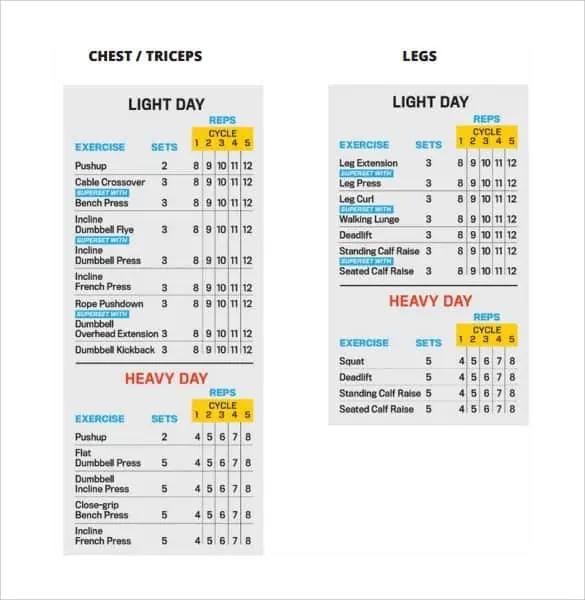
Describe the activity precisely enough that the entry is understandable later. A short label such as a walk, a class, or a strength session may be sufficient for a calendar, while detailed exercises belong in a separate workout log. Use the calendar to show when the activity is intended and whether it occurred. Do not overload a small date cell with every measurement. A reference to the session log can preserve detail without making the monthly overview difficult to read.
Choose optional measures that support the purpose. Duration, distance, or a simple completion status describe different things and should be labeled accordingly. A completed date does not imply that every session had the same intensity or effect. Keep units consistent if measurements are recorded. Brief notes about a modified session can be useful, but the calendar should not require unnecessary private health detail or invite unsupported interpretations from a single number.
Build a routine that can be reviewed realistically
Start from what the person can appropriately do and maintain. The calendar can show a modest, workable routine without promising a particular body change or performance outcome. Define a review point rather than assuming the first arrangement should continue unchanged indefinitely. The review can consider whether the timing was practical, the activity was accessible, and the record was easy to keep. This makes the calendar a learning tool as well as a plan.
Do not compensate for a missed session automatically by doubling later activity. A schedule change needs a sensible decision based on the person’s situation and relevant guidance. Record the next appropriate action rather than treating the calendar as a debt that must be repaid. Similarly, a rest day can be part of the plan and should not be labeled as lack of effort. The record is most useful when it reflects what was intended and what happened without moral judgments.
Keep fitness records separate from weight outcomes
An activity calendar can record participation without requiring a weight measurement. Body weight and exercise activity are different kinds of information. If both are tracked, keep them in distinct fields or records and avoid assuming that one directly explains every movement in the other. The calendar does not measure body composition, health, or the cause of a short-term change. A completed session is evidence of that recorded activity, not a guaranteed health result.
Use charts only when they answer a clear question. A count of sessions may help review consistency, while a duration total may support another purpose. Neither should be presented as a complete assessment of fitness. Check the data behind the summary and make missing entries identifiable. An empty date might mean no planned activity, an unrecorded session, or a plan change. Clear definitions prevent a simple chart from implying more than the underlying record supports.
Use the calendar privately or in a group
For personal use, choose a location or file format that makes updating convenient. A printed calendar may work well as a visible reminder, while a digital version may suit changes on the move. Keep private information out of a version displayed publicly. If the calendar is shared with a coach or professional, agree what detail is useful for that review. The intended audience should determine the information included rather than the number of fields in the template.
For group activities, make participation and sharing expectations clear. A shared schedule of class times is different from a public record of individual attendance or health information. Avoid making people disclose private details just to explain an absence. Use appropriate access and correction arrangements. The calendar can coordinate activity without turning every participant’s personal record into a leaderboard. A supportive process lets people understand how the information will be used and what choices they have.
Maintain a clear record across planning cycles
At the end of a week or month, review what helped and what repeatedly caused difficulty. The useful change may be a different time, a simpler entry method, or better preparation rather than a more demanding target. Keep completed records only where they have an appropriate purpose, and use a clean copy for the next cycle. If the template has formulas or charts, check that new dates and entries are included correctly.
Test print scaling and readability after editing the layout. A small calendar needs concise labels, while a detailed session log can hold the supporting information. Keep the current version identifiable and avoid scattering conflicting plans across several files. A practical fitness calendar brings together realistic logistics, clear activity entries, appropriate flexibility, and a review habit. It supports a routine suited to the individual while leaving medical assessment and personalized exercise decisions to the appropriate qualified sources.
A practical review of a changing routine
Imagine someone uses a monthly calendar to plan activity around work and family commitments. After two weeks, one regular time proves difficult because travel routinely takes longer than expected. The review can move that session or choose a suitable alternative rather than treating repeated changes as a personal failure.
The person also notices that detailed exercise notes make the calendar crowded. Those details can move to a separate workout log, leaving the calendar to show the activity, date, and relevant completion status. The smaller record becomes easier to maintain and the session detail remains available where useful.
If a health concern or a significant change in circumstances affects the routine, the calendar should reflect the appropriate decision or guidance. It should not encourage continuing an unsuitable plan simply because a streak would otherwise be interrupted.
At the next review, the useful question is whether the revised arrangement is practical and the record is clear. The calendar can support consistency without promising a particular result. A simple system that remains appropriate to the individual is more useful than a highly detailed plan that cannot be followed or interpreted reliably.
Frequently asked questions
Can I track recovery days?
Yes. Planned rest is part of the schedule and should not be counted as a failed session.
Is the calendar a personalized training plan?
No. It organizes the routine you choose; it does not assess medical needs or exercise suitability.

You must be logged in to post a comment.