
A household budget spreadsheet brings shared income, bills, everyday spending, and savings goals into one plan. It helps a household see which costs are committed and how much remains for flexible spending.
Choose a monthly format with planned and actual columns. Include irregular costs, such as annual fees or repairs, rather than planning only for regular groceries and bills.
Template previews and downloads
Household Budget Worksheet Template
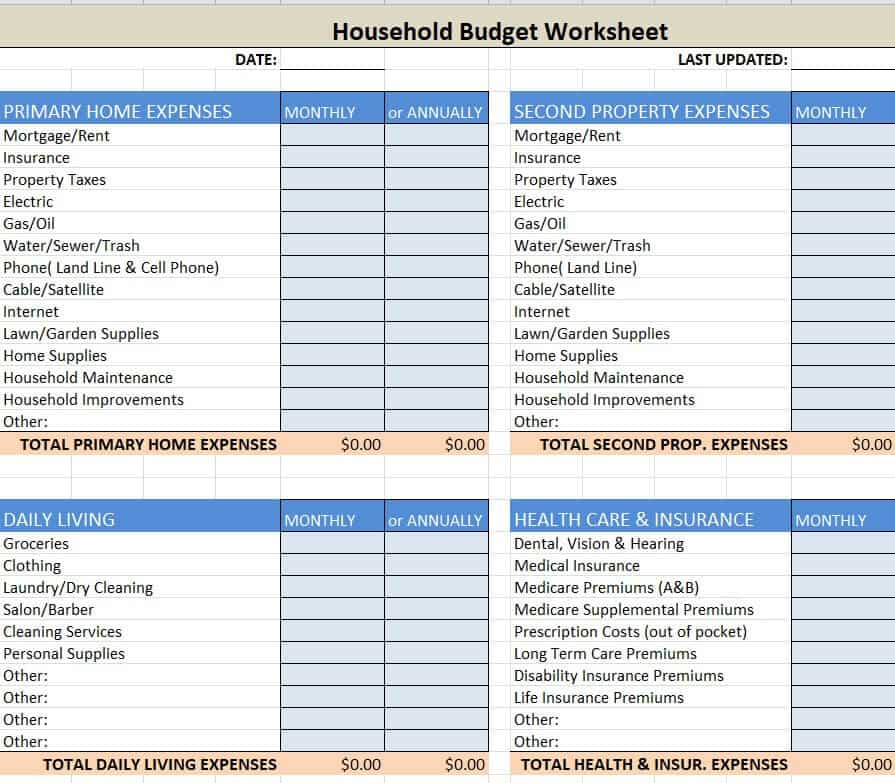
Month Wise Household Budget Spreadsheet Template
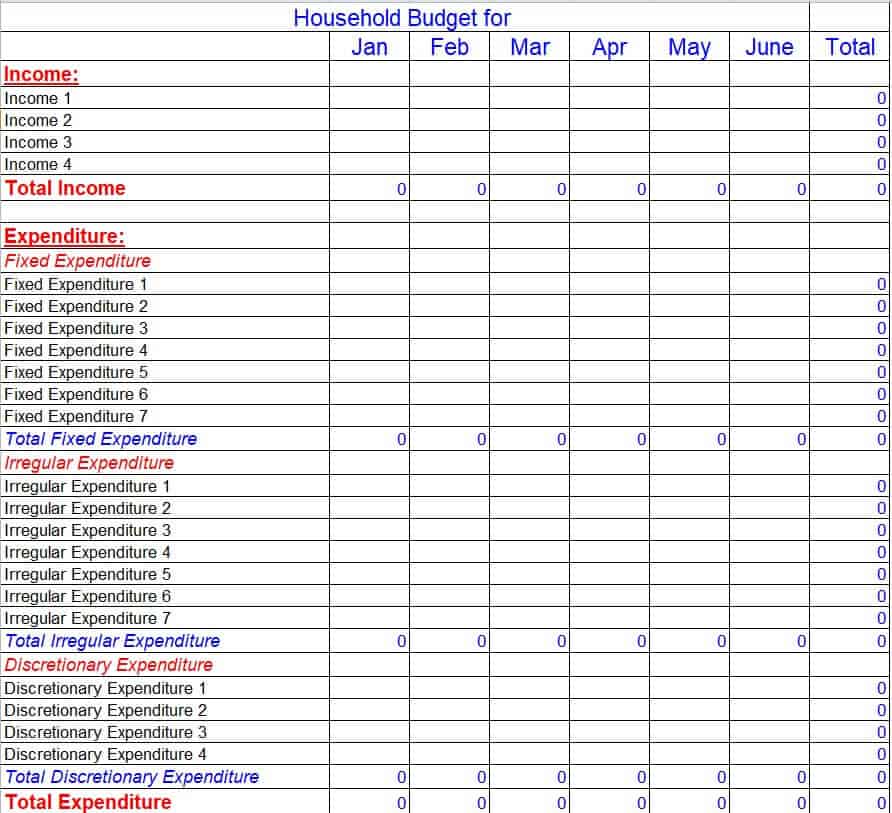
Detailed Household Budget Spreadsheet Template
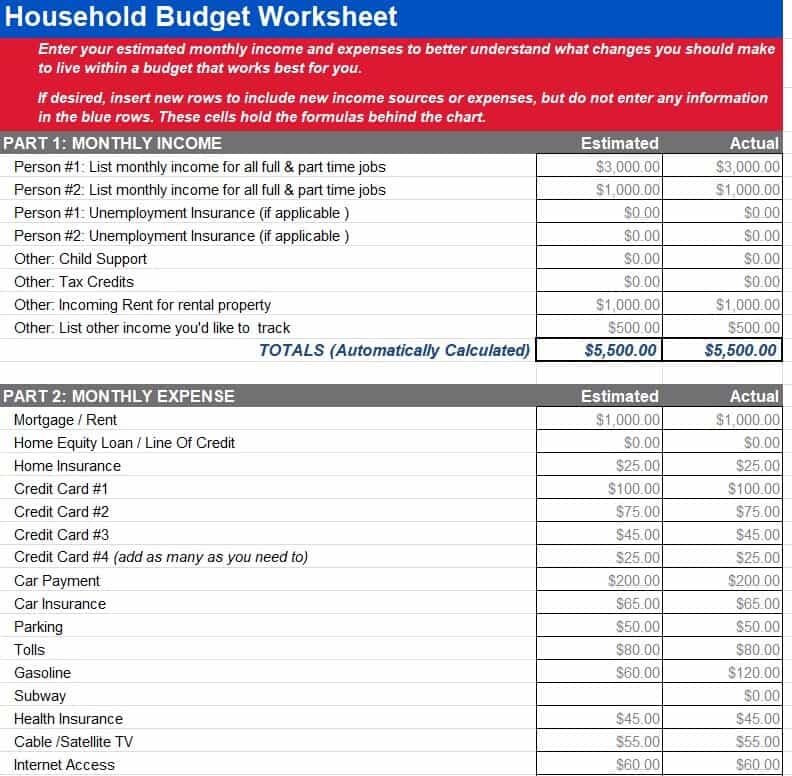
Household Budget Spreadsheet WORD Template
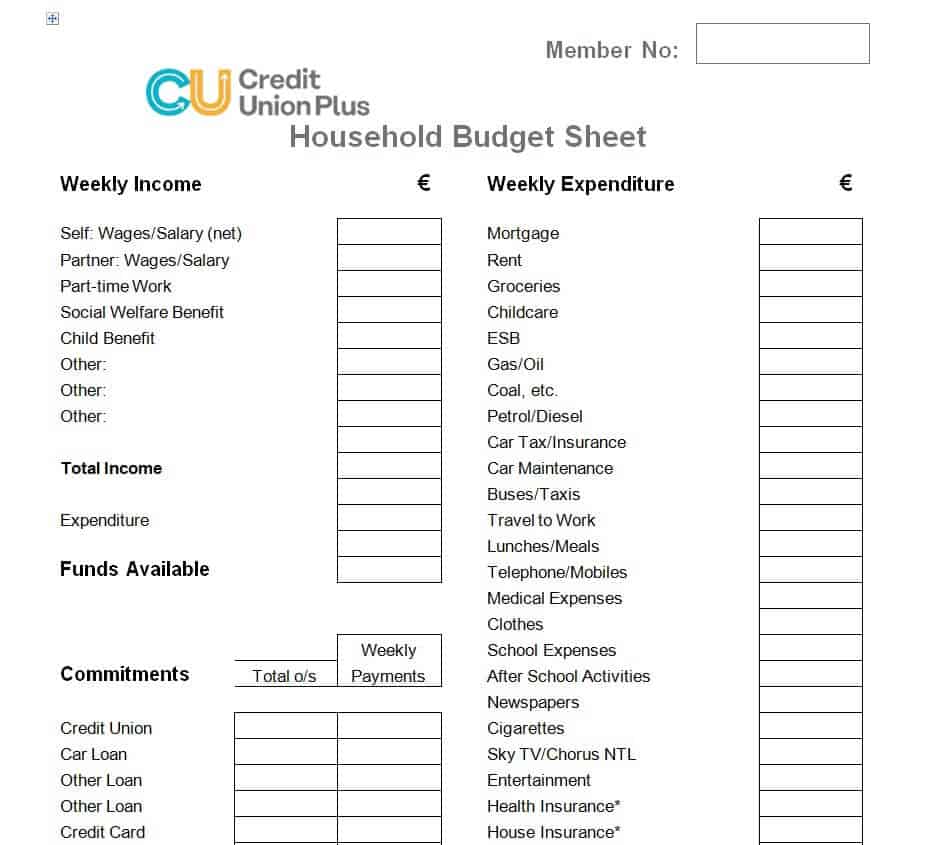
Sample Family Budget Template
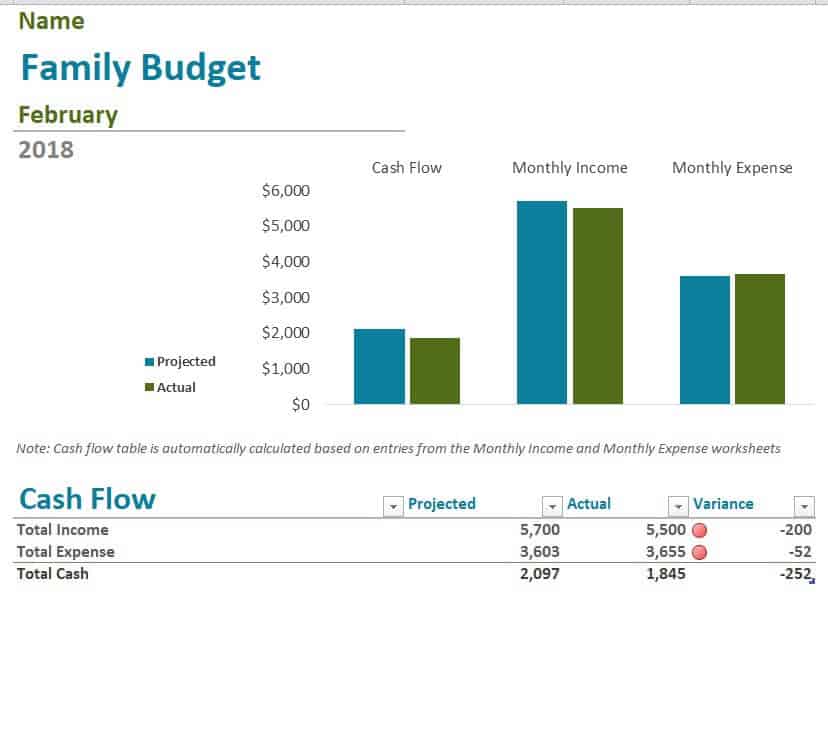
Household Monthly Budget Spreadsheet Template
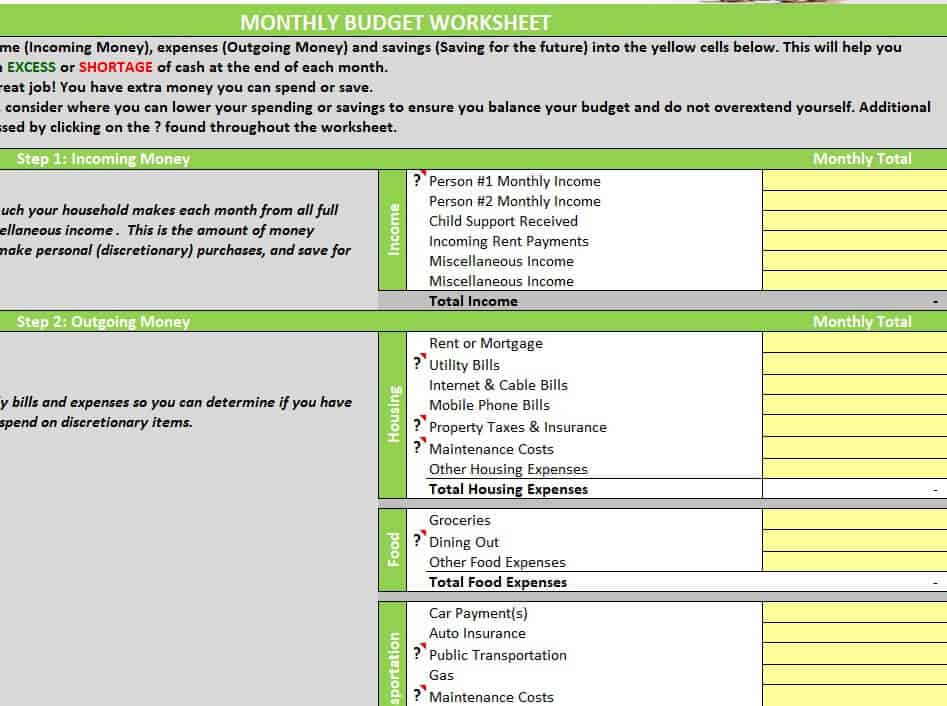
General Household Budget Excel Template
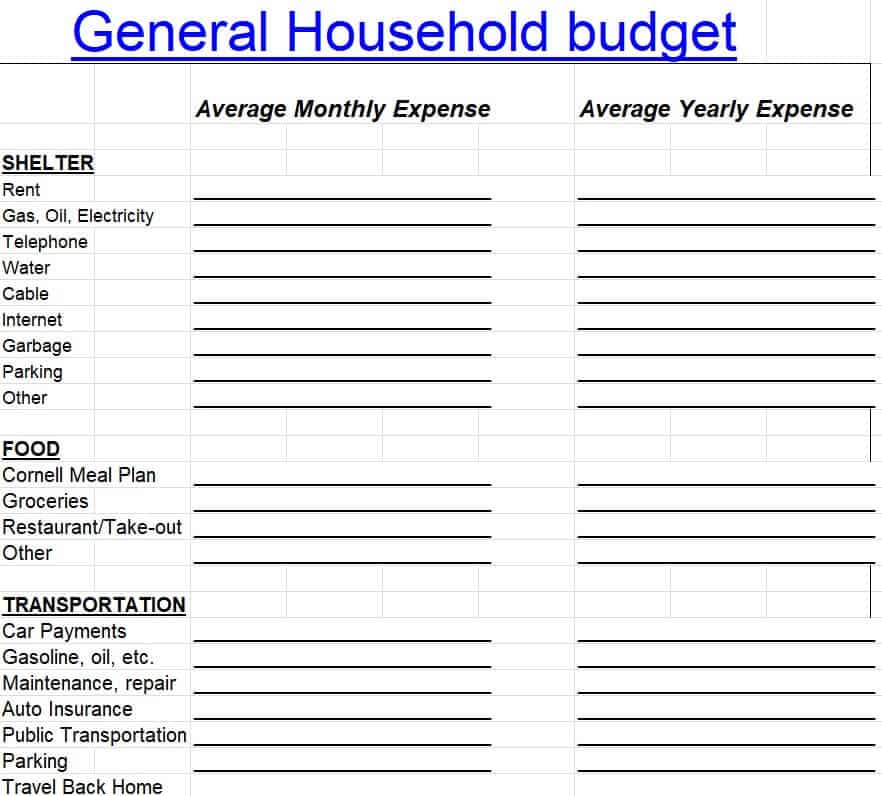
Blank Household Budget Spreadsheet Template
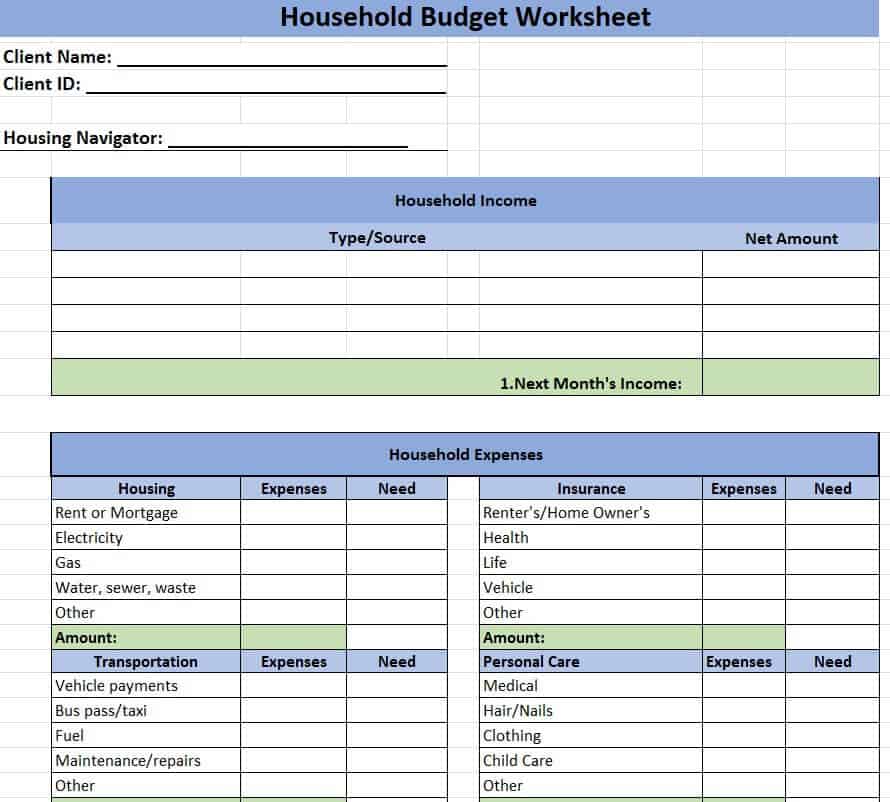
Practical Household Budget Spreadsheet Template in DOC Format
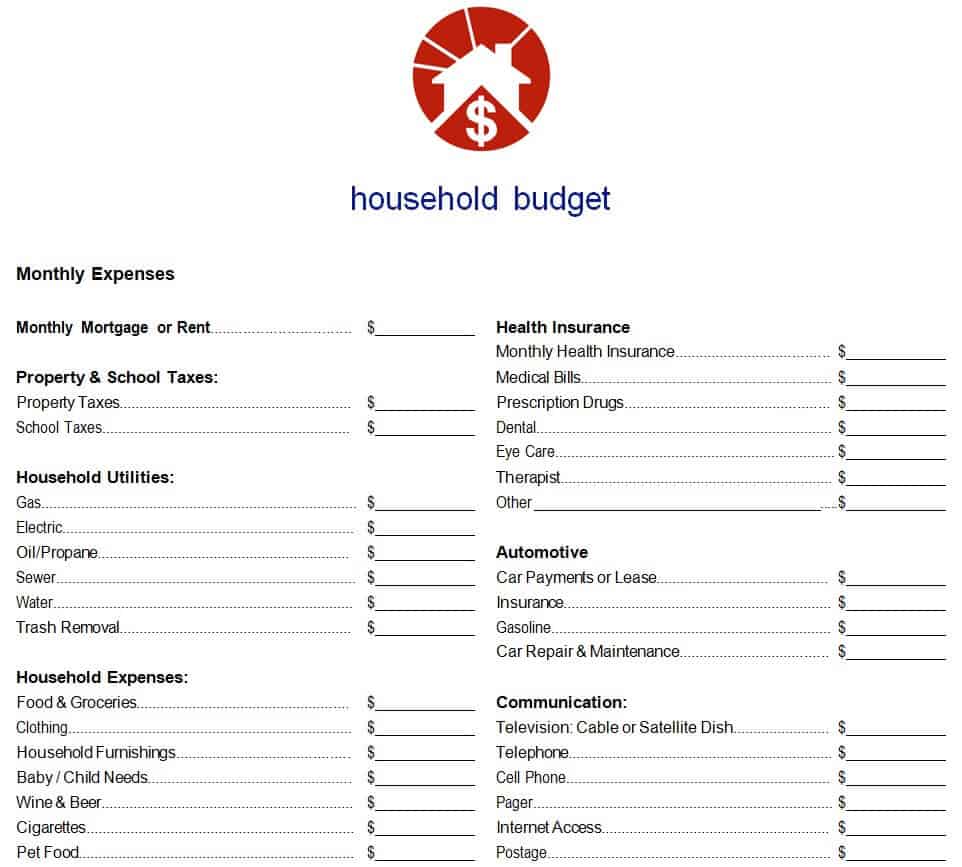
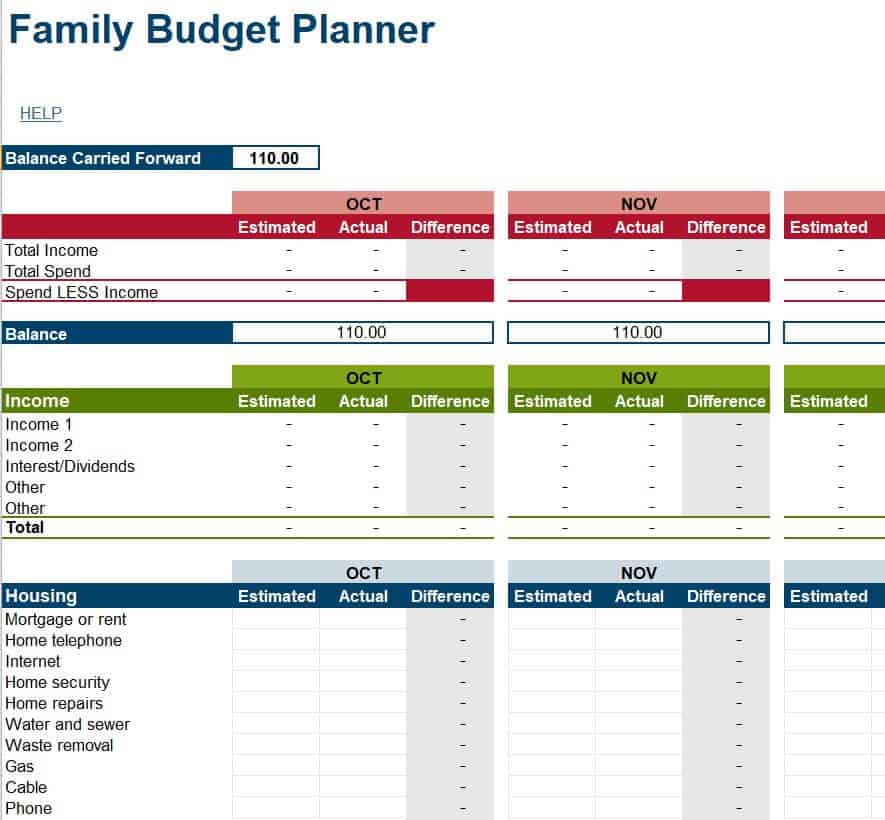
Free Editable Family Budget Planner Template
Basic Monthly Household Budget Spreadsheet Template
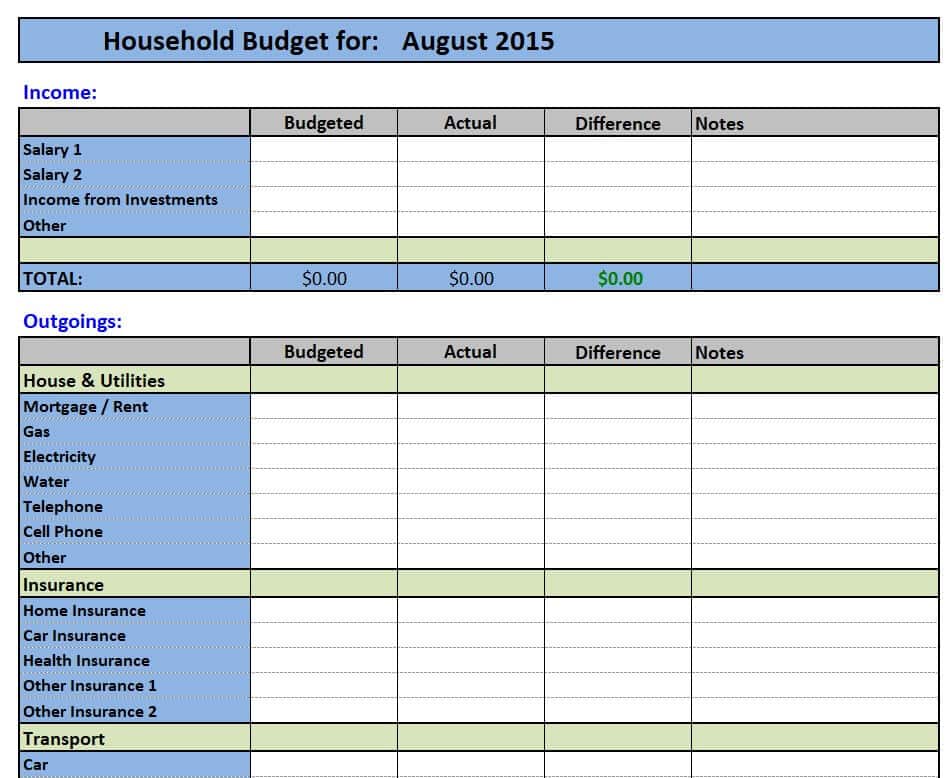
Exclusive Household Budget Template Excel
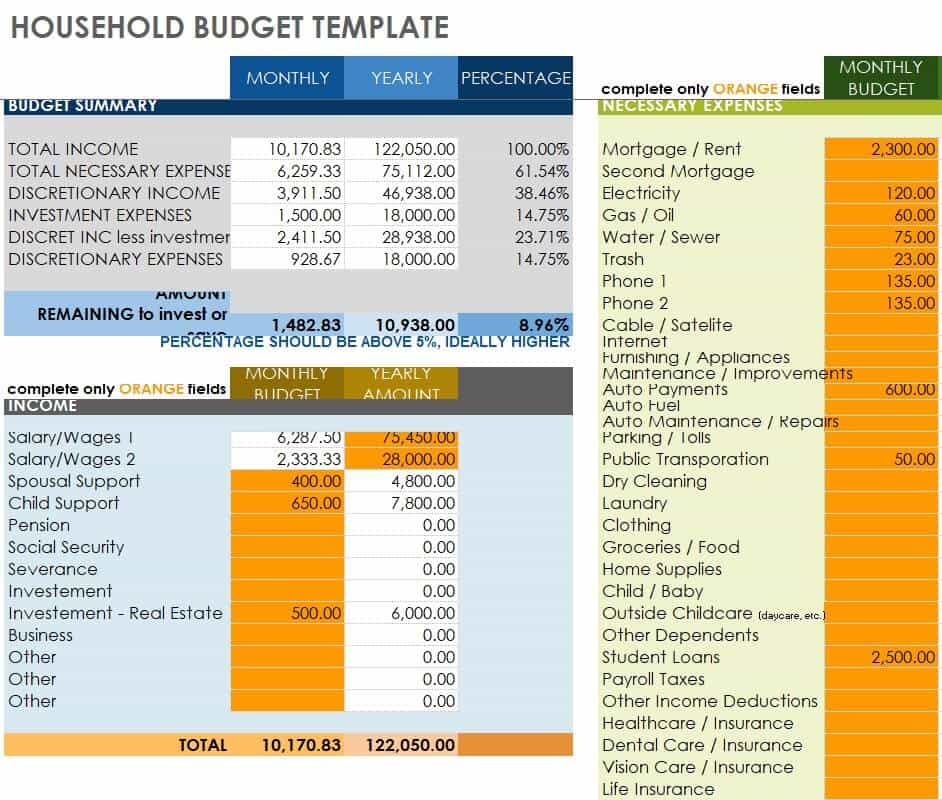
Personal Budget Worksheet Template
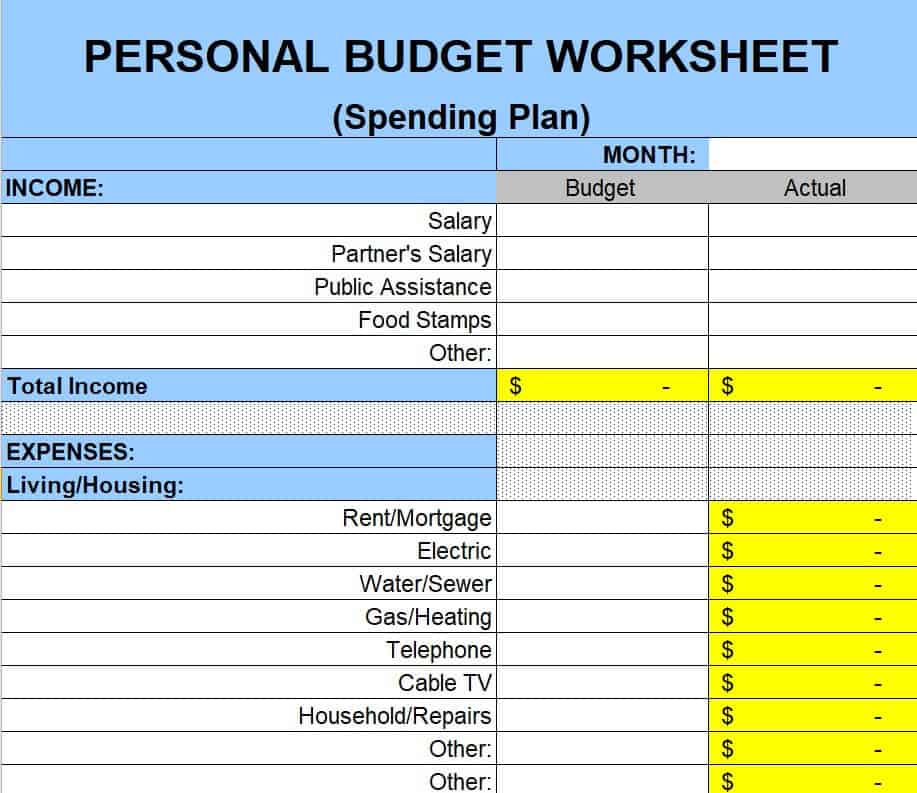
Household Budget Worksheet Template in Microsoft Word

Example Household Budget Spreadsheet Template
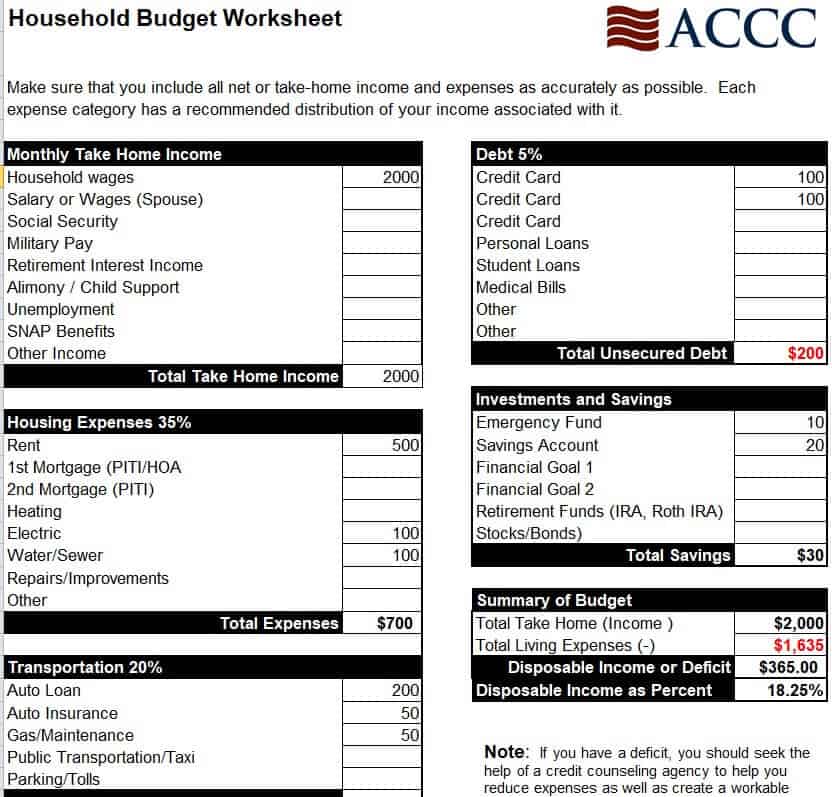
How to use the household budget spreadsheet
Step 1. List reliable household income and identify when it arrives. Compare broader planning layouts in Excel budget worksheets.
Step 2. Enter fixed bills, variable categories, savings allocations, and reserves for irregular costs. Control day-to-day spending using daily budget templates.
Step 3. Compare actual spending with the plan and agree changes before the next period.
Separate predictable bills from flexible categories. Rent or a regular subscription can be planned directly, while groceries and transport may need a realistic allowance based on previous records. Include occasional costs such as school expenses, repairs, and family events so the plan does not look affordable only because those costs are absent.
Agree a simple routine for entering shared purchases. One person can maintain the master, or each contributor can use a clearly defined section. Review the plan together when circumstances change, especially when income arrives on different dates from major bills.
Example and checks
A household expecting 3,000 and allocating 1,800 to bills, 700 to living costs, and 300 to savings has 200 unallocated. Treat that as a planning margin rather than automatically spending it.
Avoid counting transfers into savings as a second expense when the saved money is later moved between accounts. Review the household’s accumulated assets and debts with net worth statements.
Frequently asked questions
Can several family members maintain the budget?
Yes. Agree who enters transactions and how shared purchases are identified to prevent duplicates.
How do I budget for annual bills?
Set aside a regular share through the year and record the payment when it falls due.

You must be logged in to post a comment.