
A profit and loss account format arranges income and expenses into a consistent account-style report. Use this collection when you need a structured presentation for a completed accounting period.
Choose a format that matches your records and reporting purpose. Identify whether the layout is intended for trading activity, services, or a more general income statement.
Template previews and downloads
Free profit and loss account formats in excel:



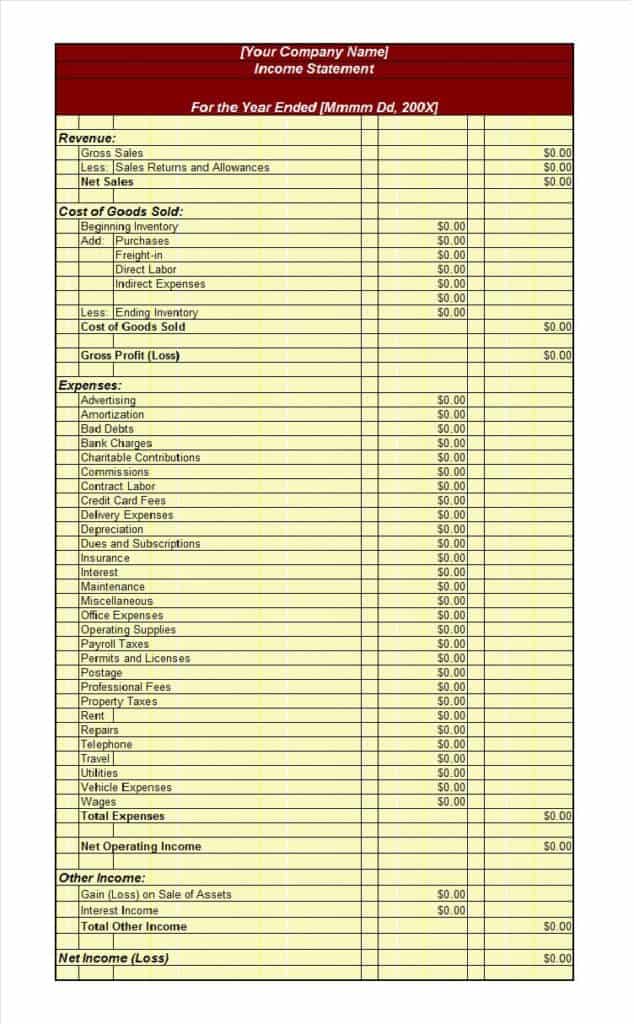

Examples of Profit and Loss Account Formats:
Company Profit And Loss Account
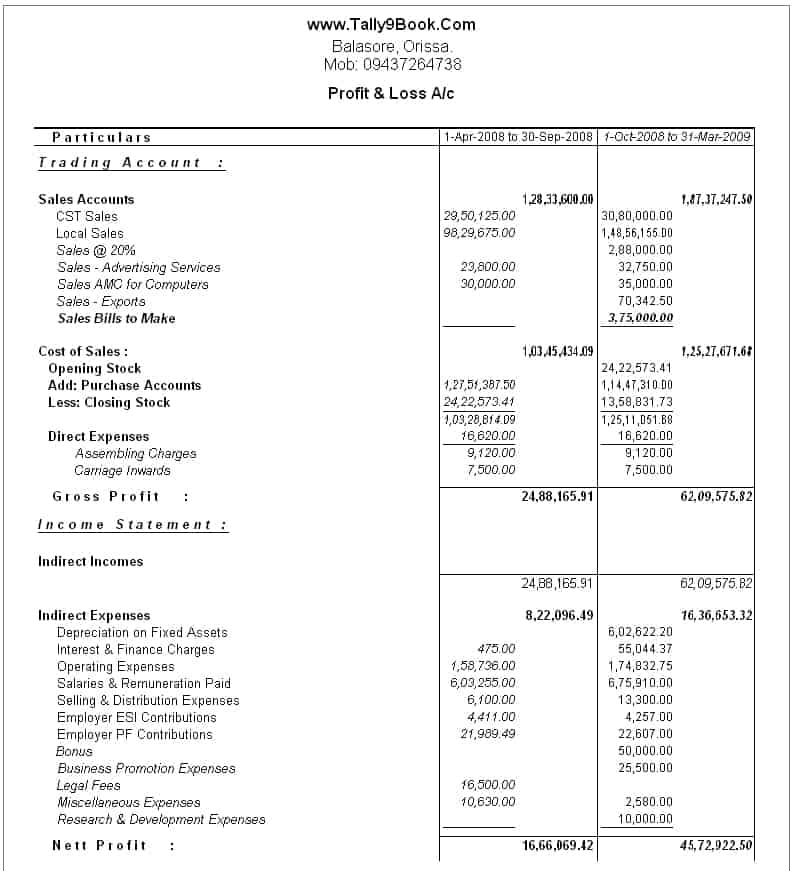
Professional Profit And Loss Account

Profit And Loss Account format

Profit And Loss Account Sample

Profit And Loss Account Guide
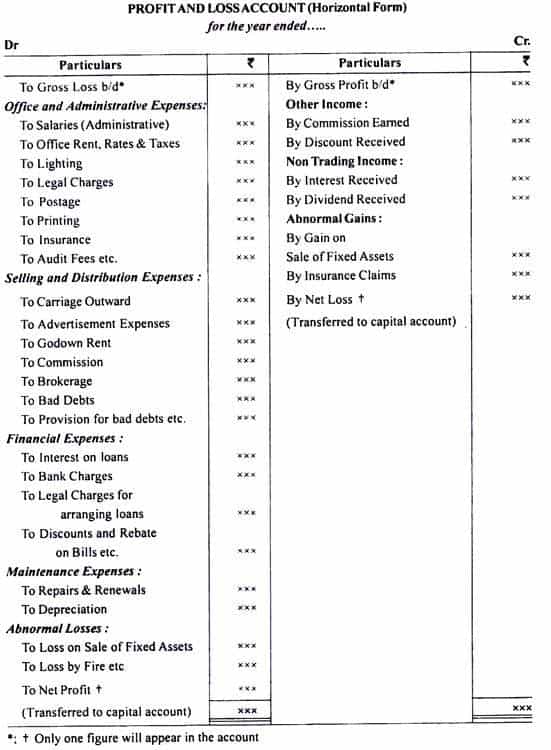
Profit And Loss Account Sample

Annual Profit And Loss Account

How to use the profit and loss account format
Step 1. Set the accounting period and identify the source records. For monthly comparisons and a management overview, use profit and loss templates.
Step 2. Group revenue, direct costs, and other expenses without duplicating entries. Prepare supporting account records with general ledger templates.
Step 3. Check subtotals and reconcile the final result to the underlying accounts.
Check the intended presentation before entering values. Some account-style layouts place debit and credit items on different sides, while others use a vertical income-statement format. The underlying categories and totals need to remain correct even when the visual arrangement changes.
For a trading business, opening inventory, purchases, and closing inventory may support cost-of-sales calculations. A service business may instead need direct labor or subcontracting categories. Rename or remove irrelevant headings thoughtfully rather than forcing every business into a stock-based example.
Example and checks
A trading business may show sales less cost of sales before operating expenses. A service business may need different labels rather than copying stock-related headings.
Do not treat every receipt as revenue or every payment as an expense. The reporting basis and transaction type matter. Place the report alongside other business financial statements.
Select a presentation that matches the report’s purpose
A profit and loss account format organizes income and expenses for a defined period. Before entering values, identify the business, period, currency, and intended use. A management working report, an educational example, and a report prepared under a specified framework can need different detail. Choose a format that supports the relevant records instead of assuming that the first attractive layout is suitable. The headings should describe the business’s activity and the basis of the figures being presented.
An account-style layout may arrange categories differently from a vertical income statement, but the visual design does not change the need for correct classification. Understand where revenue, direct costs, operating expenses, and other relevant items belong. A service business should not be forced into stock-related headings that do not fit its activity. Likewise, a trading business may need supporting inventory information rather than treating every purchase as if it were sold immediately. Adapt the structure with appropriate accounting review.
Prepare source records before filling the report
Use reconciled records and supporting schedules for the reporting period. A profit and loss account should not be built solely by copying every receipt and payment from a bank statement. Some movements are borrowing, owner transactions, asset purchases, or settlements of earlier balances. The treatment depends on the transaction and accounting basis. Identify the source for each major category so a reviewer can understand how the total was prepared and trace it back to the records.
Check that source schedules cover the same entity and period. A sales total for one month cannot be combined casually with expenses for a different date range. Review any adjustments needed under the chosen basis and keep them identifiable. If an amount is estimated, label and support the estimate rather than making it appear equivalent to a verified balance. A complete-looking report is not necessarily complete accounting. The preparation process should reveal which figures are supported and which questions remain unresolved.
Distinguish revenue, gross profit, and net results
Revenue, gross profit, and the final profit or loss answer different questions. A format may show revenue less relevant direct costs before deducting operating expenses and other items. The exact presentation depends on the business and reporting basis. Use labels that make the subtotals understandable. Do not call a cash surplus gross profit simply because receipts exceeded payments. A clear report helps the reader see the stages of the calculation and understand what is included in each result.
Consider an illustrative period with revenue of 30,000 and direct costs of 18,000. The difference is 12,000 before the operating expenses and any further relevant items in that example. If operating expenses total 8,000, the remaining amount is 4,000 before other items that may apply. These figures demonstrate the structure rather than a complete report for every business. Keep each subtotal linked to its component lines so changes can be checked without manually retyping the result.
Keep expenses consistently classified
Choose categories that support understanding without creating an unnecessarily long report. Similar expenses should be treated consistently between periods, while material differences may need separate explanation. A broad miscellaneous line can hide important information if it contains a substantial share of the business’s costs. Review the underlying transactions before deciding whether a category needs more detail. Do not create a new category for every supplier merely because the worksheet has room.
Keep the distinction between the reporting summary and transaction detail. The account can show a category total while a supporting schedule lists the individual items. This makes the main report readable and preserves the ability to investigate. If a category is renamed or reclassified, consider the effect on comparative figures. A lower amount in one heading may reflect a transfer to another heading rather than a real reduction in expenditure. Explain meaningful presentation changes so the reader does not mistake them for changes in business performance.
Review profit separately from cash availability
A profitable period does not automatically mean the same amount of cash is available to spend. Customer payments may arrive later, suppliers may be paid at different times, and borrowing or asset transactions can affect cash. The profit and loss account should be interpreted alongside the relevant cash and balance-sheet information. Avoid using the final profit figure as a substitute for a cash forecast or bank reconciliation. Each record serves a different purpose.
Similarly, a cash shortfall does not by itself prove that the business made an accounting loss in the period. Timing and financing can matter. When discussing the report, identify the question being answered: performance, liquidity, funding, or current financial position. This helps prevent an apparently simple conclusion from being drawn from the wrong measure. A useful account format makes performance easier to see while retaining enough context to explain why another report may show a different figure.
Use comparisons to identify questions
Comparative columns can show a previous period or an approved budget, but the periods and definitions need to be comparable. A full year and a short month should not be compared by totals alone. Seasonal activity and one-off items can also affect interpretation. Label the date ranges and explain relevant differences. A variance should prompt an investigation rather than an automatic assumption that every increase is bad or every decrease is good.
Suppose delivery costs increase while revenue also rises. The useful review may consider the volume of deliveries and cost per delivery, not only the total expense. Alternatively, an annual subscription may make one month look unusually expensive. Keep the explanation connected to the supporting records. The report should help identify where attention is needed, while decisions about pricing, spending, or operations require the relevant business context. A spreadsheet cannot supply that context simply by displaying a red or green cell.
Complete formula checks and retain the reporting history
Review totals, signs, formulas, and print areas before issuing the account. An inserted row can be omitted from a total, and a subtotal can be counted twice if ranges are extended carelessly. Compare the report with supporting schedules and check the treatment of unusual balances. A reviewer should be able to see the period, entity, currency, and meaning of the final result on the completed copy. The visual format should make verification easier rather than hide important assumptions in decorative sections.
Keep a clean master separately from completed reports. Retain the issued version and document later corrections through the appropriate process. Restrict access to sensitive financial information and use fictional figures in demonstrations. A useful profit and loss account template provides a repeatable structure, but the quality of the report depends on complete records, an appropriate basis, consistent classification, tested calculations, and a clear review. Those practices allow the account to support informed discussion instead of functioning only as a formatted collection of numbers.
Prepare a short review note for the account
Add a concise review note explaining the period covered, the accounting basis used, and the main items requiring interpretation. A reader may need to know that a category contains a one-off cost or that comparative headings changed. Keep the note factual and connected to the supporting records rather than using it to explain away every unfavorable result.
Identify unresolved matters separately from conclusions supported by the report. If a material balance still needs confirmation, do not make a definitive performance claim that depends on it. Record the person responsible for resolving the issue and the effect it may have on the report.
When the account is finalized, retain the reviewed version and the relevant explanations together. This helps a later reviewer understand why the figures were presented as they were. The account becomes a useful financial communication record when its structure, numbers, assumptions, and review notes tell a consistent story.
Frequently asked questions
Is a profit and loss account an income statement?
The names are often used for the same type of performance report, although presentation varies.
Can I change account headings?
Yes. Use categories relevant to the business and keep comparable periods consistent.

You must be logged in to post a comment.