
A sales pipeline template tracks potential deals through defined stages. It helps a team identify next actions, stalled opportunities, and the value of work in progress.
Look for opportunity ID, client, owner, stage, estimated value, expected close date, and next action. Agree what evidence is required to move between stages.
Template previews and downloads
Sales Pipeline Chart


Sales Pipeline Sheet

Sales Pipeline Example

Sales Pipeline Spreadsheet

Sales Pipeline Excel Template

Sales Pipeline Maker
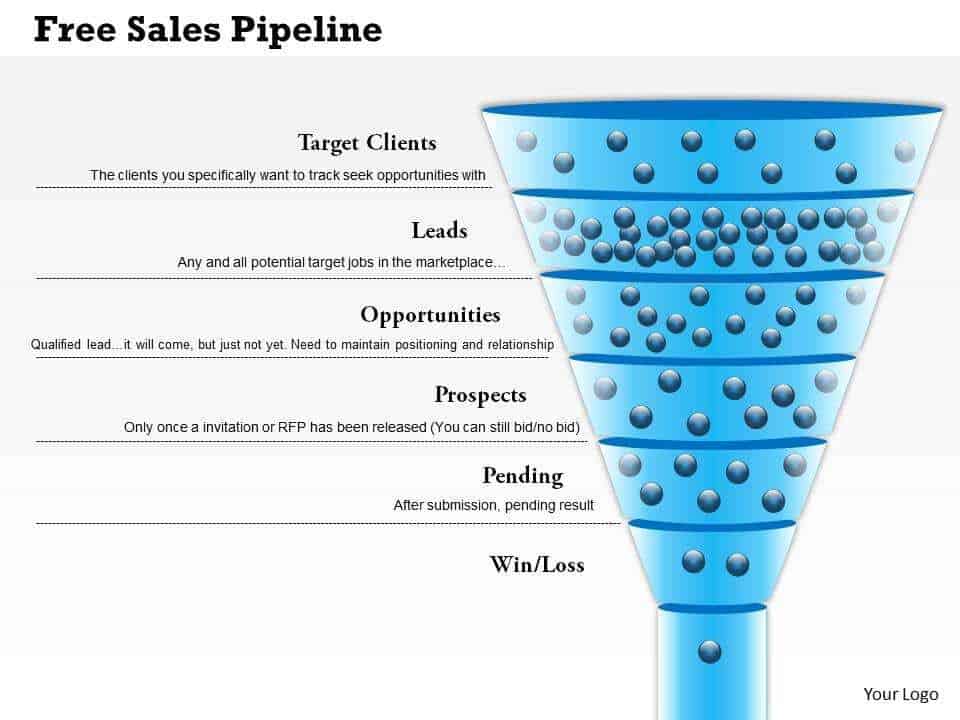
Sales Pipeline Excel Free

Sample Sales Pipeline
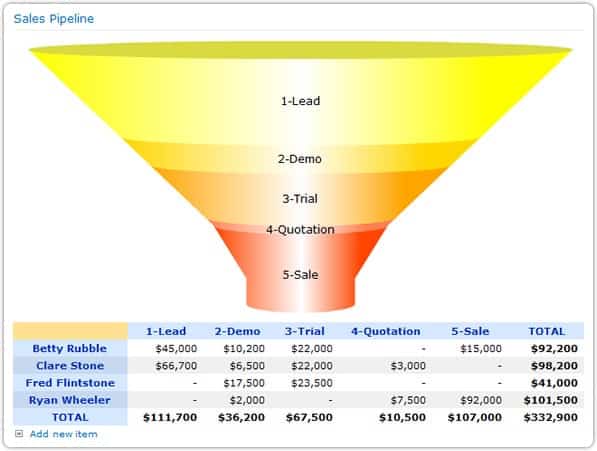
Sales Pipeline Stages Template

How to use the sales pipeline template
Step 1. Create a record for each opportunity rather than each casual contact. Keep stable contact details in client database templates.
Step 2. Update stage and next action after meaningful customer activity. Connect acquisition activity to marketing budget templates.
Step 3. Review stale records and distinguish open, won, and lost opportunities.
Define each stage with a practical condition, such as requirements confirmed or proposal sent. A salesperson’s general optimism is not a reliable stage definition. Keep a date for the next action and identify who owns it so the pipeline supports follow-up rather than only reporting totals.
Review opportunities that have not changed for an agreed period. A deal may be delayed, lost, or simply missing an update. Record the reason and revise expected dates instead of letting old opportunities remain indefinitely in a forecast that appears stronger than the evidence supports.
Example and checks
A deal worth 10,000 with an assumed 30% probability contributes 3,000 to a weighted forecast. That is a planning estimate, not earned revenue.
Do not leave every opportunity at an optimistic probability. Define stages consistently and review assumptions against actual outcomes. Prepare consistent offer information using pricing templates.
Define an opportunity before adding it to the pipeline
A sales pipeline should contain identifiable potential deals rather than every name the business has collected. Define what qualifies as an opportunity for your sales process. You may need a known customer requirement, a relevant contact, and an agreed next action before a record belongs in the active pipeline. A general mailing-list contact can remain in a contact database until there is an actual sales discussion. This distinction keeps the pipeline focused on work that someone is responsible for progressing.
Give each opportunity a unique identifier and link it to the customer record. One customer may have several separate requirements, renewals, or projects, so a customer name alone is not always enough. Record a short description of what may be sold, the person responsible, the estimated value, and the expected timing. Keep the scope understandable to another team member. An entry called ‘large deal’ with no defined requirement or next step provides little basis for a forecast or a useful review conversation.
Create stages with observable entry conditions
Pipeline stages should describe meaningful changes in the selling process. Examples might include requirement confirmed, proposal being prepared, proposal delivered, decision pending, and closed. The exact stages depend on the business. Write a short definition for each one so different team members use the labels consistently. A stage should not depend solely on whether the salesperson feels optimistic. Identify the evidence that supports moving the opportunity forward, such as a confirmed scope or a proposal actually sent to the relevant person.
Keep the stage list short enough to maintain accurately. Too many similar labels can make updates slower without improving the view of the pipeline. Separate an opportunity’s stage from its next action and from its outcome. A record may remain in a decision stage while a specific follow-up is scheduled. Closed-won, closed-lost, and paused opportunities need clear treatment so they do not continue inflating the active total. If your process changes, document the revised definitions before comparing stage statistics from different periods.
Record useful next actions and ownership
Every active opportunity should have a responsible owner and a next action that can be understood. ‘Follow up’ is often too vague. ‘Ask the purchasing contact to confirm the review date’ describes what will happen and why. Record the action date and any dependency on another person. This turns the spreadsheet into a working sales tool rather than a list reviewed only when management asks for a forecast. If responsibility moves to another team member, make the handover explicit.
Keep interaction notes concise and relevant. Record what changed, what the customer needs next, and any commitment made by the business. Avoid copying unnecessary personal details into a file distributed widely across the team. A useful note should help the next person continue the conversation without reading an entire message history. If detailed documents are stored elsewhere, include an appropriate reference. The pipeline can point to a proposal or contact record without becoming an uncontrolled duplicate of every customer document.
Estimate deal values and timing transparently
Use a consistent value basis. A one-time project fee, annual recurring revenue, and the full value of a multi-year agreement are different figures. Choose the basis relevant to the report and label it. Do not combine them into one total without a defined method. If the amount is still uncertain, use an estimate with a note about scope. A quoted amount may change when requirements change, so the date and source of the estimate can be useful.
Expected close dates should reflect the current decision process, not merely the end of the salesperson’s preferred month. Ask what event supports the date and review it when circumstances change. A delayed opportunity may still be valid, but repeatedly moving its date without explanation hides uncertainty. Separate a hoped-for decision date from a confirmed customer milestone where that distinction matters. This improves both the team’s planning and the honesty of the forecast, especially when delivery capacity depends on when orders are expected to arrive.
Use weighted forecasts carefully
A weighted forecast applies an assumed probability to an estimated value. For example, an opportunity worth 20,000 at an assumed 25% probability contributes 5,000 to that forecast. The calculation does not mean that the business has earned 5,000 or will receive a partial order of that amount. It is a planning estimate across uncertain opportunities. Keep the unweighted value and the probability visible so the result can be interpreted rather than appearing as a precise amount with no explanation.
Probabilities may be based on agreed stage assumptions or other documented methods, but they still need review. Different products, customer groups, or sales processes may convert differently. Avoid assigning a very high probability simply because a deal is important to the target. Compare past forecasts with actual outcomes where records allow, and learn from recurring differences. A spreadsheet can show the arithmetic correctly while the assumptions remain poor. The forecast becomes more useful when uncertainty is stated and the team understands what would need to happen for the deal to close.
Review aging and stalled opportunities
Record an appropriate last-activity or last-stage-change date to help identify records that need attention. A long time in one stage can indicate a genuine long decision cycle, missing information, an inactive prospect, or simply an outdated spreadsheet. Review the context before classifying the opportunity. The purpose of an aging view is to prompt a decision, not to assume every older deal is worthless. A short explanation and a defined next action can distinguish active waiting from an abandoned conversation.
During a pipeline review, ask whether the requirement is still current, the contact is appropriate, the next action is specific, and the expected timing remains supported. If the opportunity is no longer active, move it to the relevant closed or paused status with a reason. Keep useful outcome information for later analysis instead of deleting inconvenient losses. That history can reveal recurring objections, delivery constraints, or mismatches between the business’s offer and the opportunities being added.
Keep the worksheet dependable as the team grows
Use a structured table with consistent dates, currency, and stage labels. Sorting or filtering should include the full record so a next action does not become detached from the correct customer. Review formulas and summaries when adding rows or changing stages. Where several people update the file, establish a current master and a routine for resolving conflicting changes. A shared pipeline is only useful when the team can identify which version is current and who owns each record.
At the end of a period, retain a dated view if it supports forecast comparison or management review. Use appropriate access controls for customer and commercial information, and share only the fields needed by the audience. A delivery team may need confirmed work and likely timing without every negotiation note. The downloadable sales pipeline templates provide a starting structure, but the useful system consists of clear opportunity definitions, consistent stages, current next actions, transparent estimates, and a review process that leads to decisions.
A practical weekly pipeline review agenda
A short review can begin with changes since the previous meeting: new opportunities, meaningful stage movements, and closed outcomes. Next, examine opportunities expected to close soon and check the evidence behind their dates. Then review stalled records and actions that are overdue. This order keeps the discussion focused on decisions instead of reading every row aloud.
For each important record, finish with a clear next action, owner, and date. If the team cannot identify a useful next action, decide whether the opportunity needs clarification, a pause, or closure. Avoid treating repeated discussion as progress when nothing in the customer situation has changed.
After the review, update the master record promptly and retain any forecast view needed for later comparison. Team members should leave with the same understanding of commitments. A simple pipeline maintained this way can be more dependable than a complex file containing old stages, unsupported close dates, and no identifiable responsibility for follow-up.
Frequently asked questions
Is a pipeline the same as a client list?
No. One client may have several opportunities, each with its own stage and next action.
Should lost deals be deleted?
Retain useful closure reasons where appropriate so the team can learn from results.

You must be logged in to post a comment.